In today’s retail landscape, successful distribution goes beyond distribution. Brands increasingly expect their distributors to support brand equity building, retail training, and meaningful collaboration with store teams.
According to our recent categories trend research, this approach is especially important in premium sectors such as perfume and cosmetics, where product storytelling, in-store experience, and staff expertise play a crucial role in influencing purchasing decisions.
With over 160 years of experience, Weitnauer Group deeply values the trust placed in us by both brands and retail partners. For us, distribution has always been about more than logistics — it is about building strong relationships and bringing brands to life in the retail environment.
Today, we would like to share an example of how our teams create personalised, immersive, and genuinely warm interactions with retail partners during brand activations, helping transform training moments into memorable brand experiences.
Why Distributor–Retail Collaboration Matters
- Enhanced brand visibility and sales via joint promotions, data sharing, and exclusive product access (FasterCapital, 2025);
- Consistent storytelling across channels, building consumer trust and differentiation in competitive markets (Appointy, 2021);
- Improved inventory management, demand forecasting, and compliance, especially for regulated products like perfumes (Shopify, 2025).
Our Approach to Collaboration
Effective collaboration requires more than occasional meetings or presentations. It is built on continuous knowledge exchange and shared experiences.
The Promands Serbia team structured the training program around four key principles:
Knowledge Sharing
Retail teams received updates on the latest product launches, including insights into fragrance composition, brand heritage, and positioning.
Insight Exchange
Open discussion between brand representatives, distributors, and retail staff allowed teams to exchange market feedback and customer observations.
Staying Close to the Market
Regular interaction with retail teams helps distributors understand changing consumer preferences and store-level dynamics.
Creating Shared Experiences
Interactive elements within the training helped strengthen relationships between participants and reinforce brand engagement.
Together, these elements create a collaborative environment where brands, distributors, and retailers work toward the same commercial objectives.
Creating a Sensory Brand Experience
In the fragrance category, product training is most effective when it goes beyond technical explanations.
During the Givenchy sessions with Sephora teams, the training included a full sensory experience designed to immerse participants in the brand universe.
Retail teams explored:
- The latest fragrance launches
- Key olfactory notes and compositions
- Brand storytelling and positioning
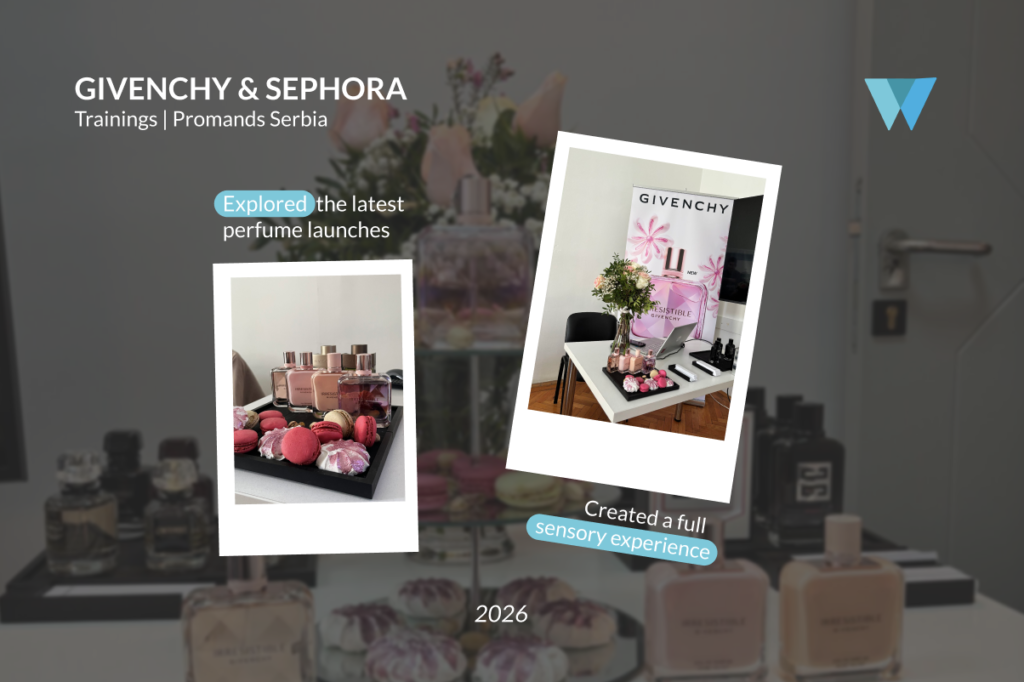
This immersive approach helps retail staff develop a deeper understanding of the product, enabling them to communicate the brand story more effectively to consumers.
Strengthening Team Spirit Through Shared Activities
Another important element of the training was team-building activities designed to strengthen relationships between participants.
For example, a creative workshop allowed attendees to collaborate in a relaxed environment while reinforcing the brand message.
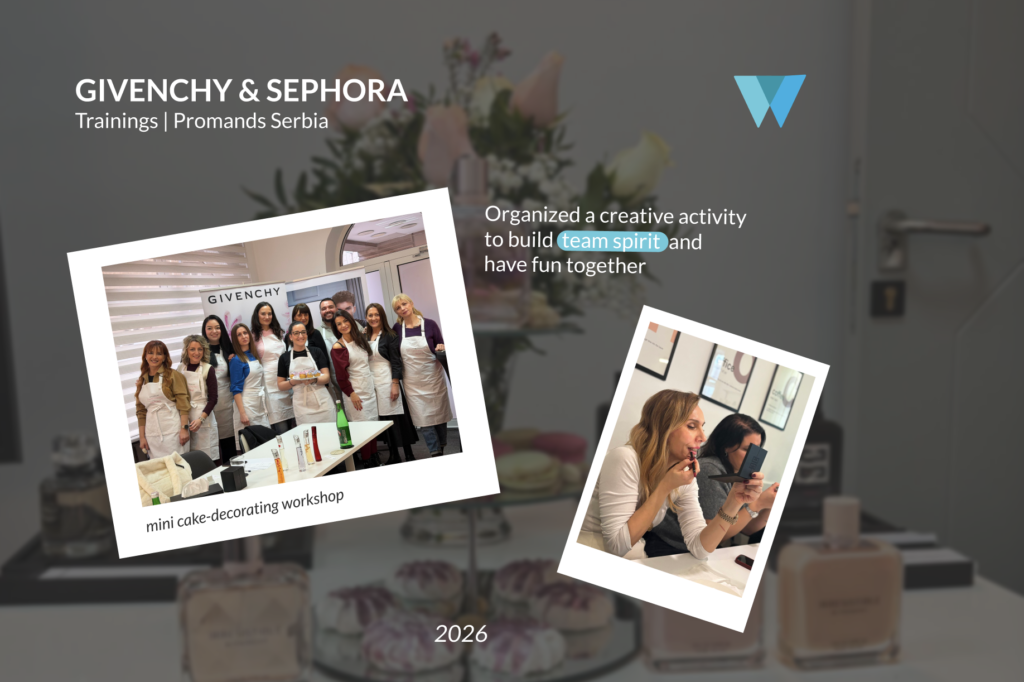
These informal moments play an important role in creating team spirit and positive engagement, which ultimately translates into stronger retail performance.
When retail teams feel connected to a brand, they are more likely to recommend products confidently and deliver a better customer experience.
The Role of Distribution in Modern Retail
The example from Promands Serbia highlights an important shift in the role of distributors.
Modern distribution is no longer limited to product delivery. Instead, it includes:
- Retail education and training
- Brand storytelling support
- Market intelligence
- Experience-driven activations
By supporting retailers with these capabilities, distributors help brands maintain consistent positioning and stronger in-store execution.
Key Takeaway: Strong Partnerships Create Real Value
In premium retail environments, the success of a brand often depends on how effectively distributors, brands, and retailers collaborate.
Training initiatives like the Givenchy sessions with Sephora teams demonstrate how knowledge sharing, insight exchange, and shared experiences can strengthen partnerships and improve in-store performance.
For brands expanding across international markets, this collaborative model reflects the future of distribution — one where the goal is not simply delivering products, but creating lasting value through strong partnerships.