Entering a new market is often perceived as a logistical milestone. Products are shipped, listings are secured, and visibility begins to build.
But in reality, a successful launch is something far more complex. It is not just about presence — it is about perception.
At Weitnauer, we approach market entry differently. Distribution is only the starting point. What truly defines success is how a brand is introduced, experienced, and remembered from day one.
At Weitnauer, we approach launches as a strategic construction — not a moment, but a system. The UFC perfumes launch in Brazil, led by Weitnauer do Brasil local team in partnership with Tailored Perfumes, is a clear example of how distribution, experiential marketing, and brand activation come together to create a powerful market entry.
What Makes a Successful UFC Perfumes Launch in a New Market
A common misconception is that a launch is an event. In practice, it is a carefully designed system.
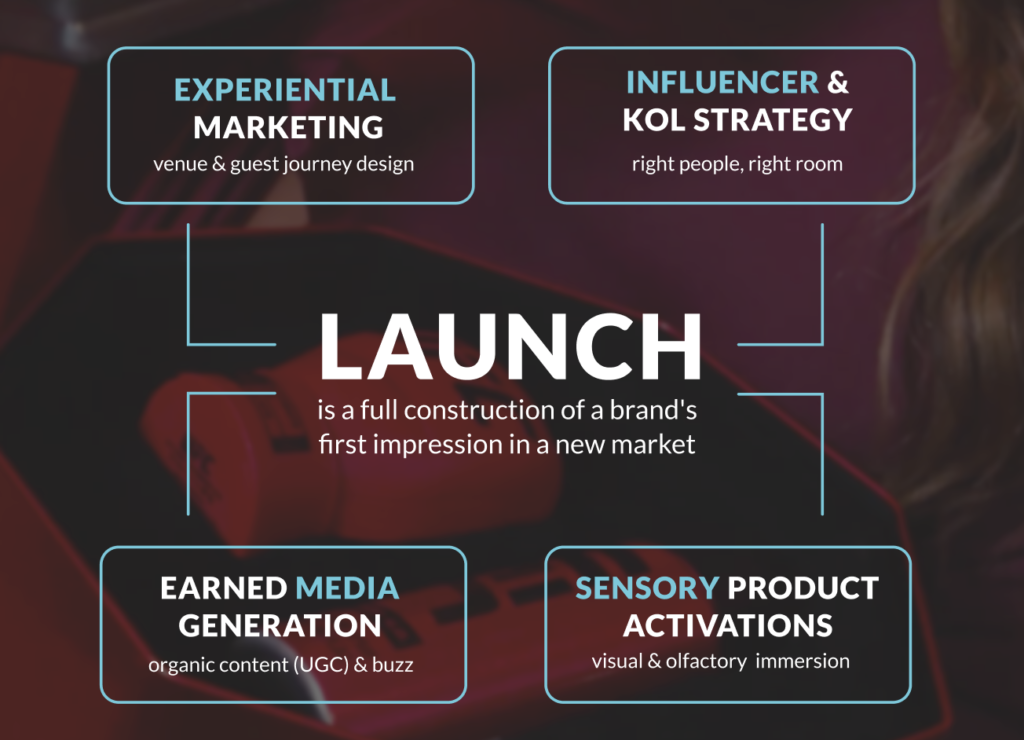
As outlined in the carousel, a launch represents “the full construction of a brand’s first impression in a new market.”
This construction is built on four interconnected pillars:
- Experiential marketing
- Influencer & KOL strategy
- Sensory product activation
- Earned media generation
Each element plays a distinct role. Together, they ensure that the brand does not simply appear — it resonates.
Experiential Marketing Strategy Behind the UFC Perfumes Brazil Launch
The first layer of any successful launch is experience.
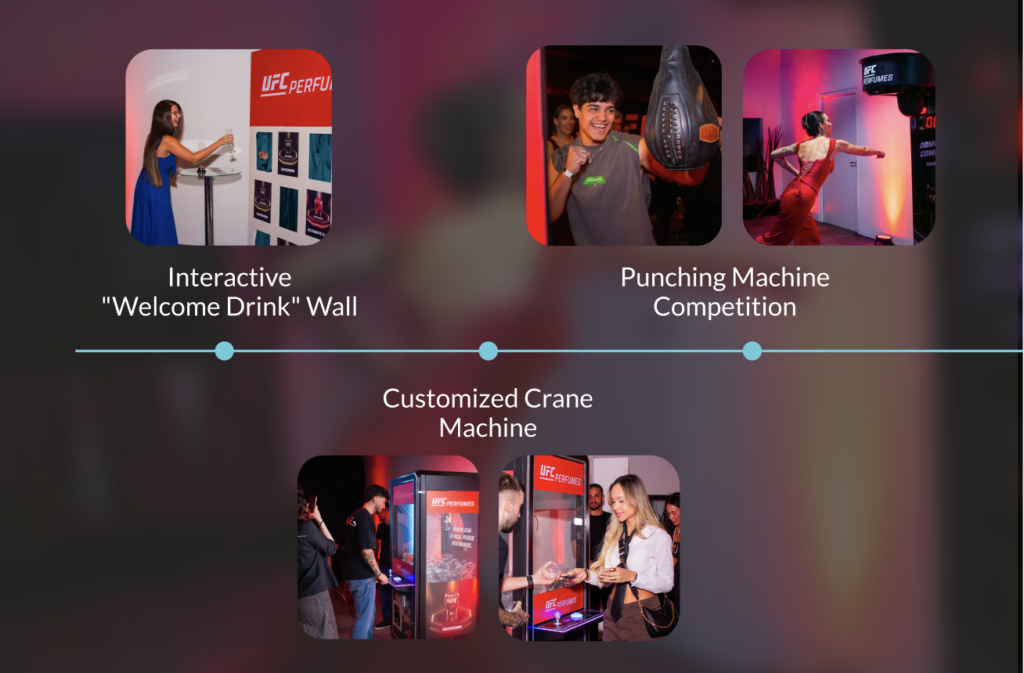
In Brazil, the activation was designed as a progressive journey — moving consumers from initial curiosity to full immersion. This was not a static environment. It was interactive, dynamic, and intentionally structured.
Key elements included:
- An interactive “Welcome Drink” wall, introducing the brand in an unexpected way
- A customized crane machine, turning product discovery into engagement
- A punching machine competition, aligning with the brand’s identity and creating energy within the space
These are not isolated activations. They are touchpoints within a broader narrative.
Each moment is designed to extend dwell time, encourage participation, and create memory. Because in competitive markets, attention is earned through experience — not exposure.
How Weitnauer do Brasil Used Sensory Product Activation to Engage Consumers
In categories such as perfumes and cosmetics, experience cannot rely on visuals alone. It must be multi-sensory.
The activation in Brazil was built around this principle.
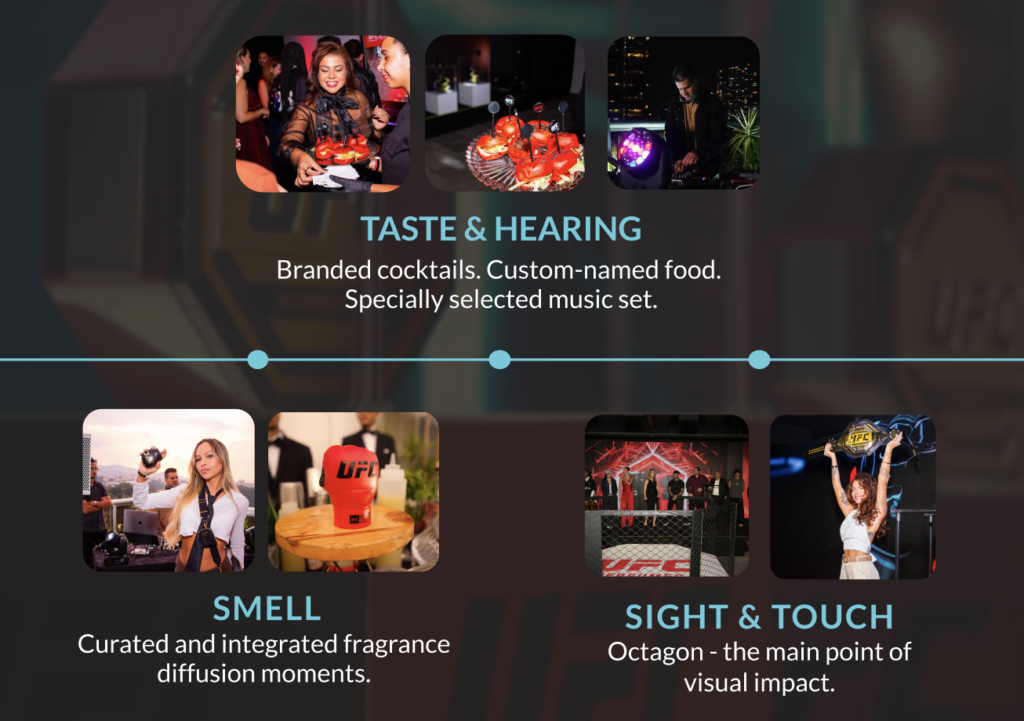
As highlighted in the carousel, sensory product activation covered:
- Taste & hearing: branded cocktails, custom-named food, curated music
- Smell: integrated fragrance diffusion moments
- Sight & touch: strong visual anchors, including the central octagon structure
This approach transforms the product from an object into an experience.
It allows consumers to interact with the brand in a more intuitive and emotional way — creating a deeper connection from the very first encounter.
In new markets, this matters even more. Without prior familiarity, brands must communicate their identity instantly. Sensory activation accelerates that process.
The Right People in the Right Room
A well-designed experience requires the right audience to amplify it.
This is where influencer and KOL strategy becomes critical.
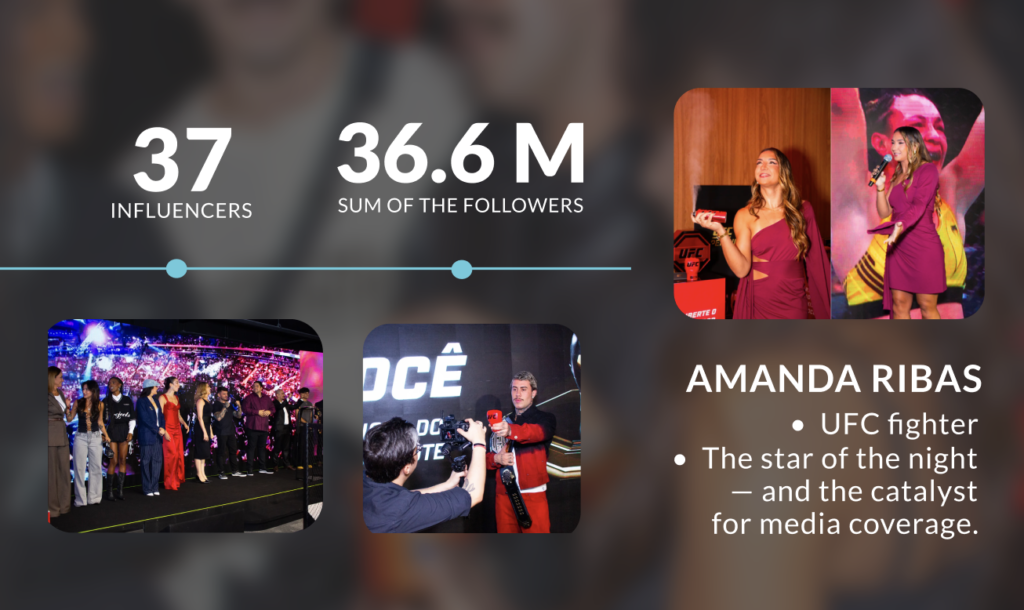
The Brazil launch brought together 37 influencers, generating a combined reach of 36.6 million followers.
But scale alone was not the objective.
The focus was on alignment — selecting individuals who reflect the brand’s positioning and can authentically translate the experience to their audiences.
A key highlight was the presence of Amanda Ribas, UFC fighter, who became the central figure of the evening and a catalyst for media attention.
This demonstrates an important principle:
Influencer strategy is not about volume. It is about relevance, credibility, and timing.
When executed correctly, it extends the impact of the physical event into digital ecosystems — multiplying reach while preserving authenticity.
From Experience to Exposure: Generating Earned Media
A strong launch does not end when the event concludes. Its success is measured by what happens next.
In this case, the activation generated:
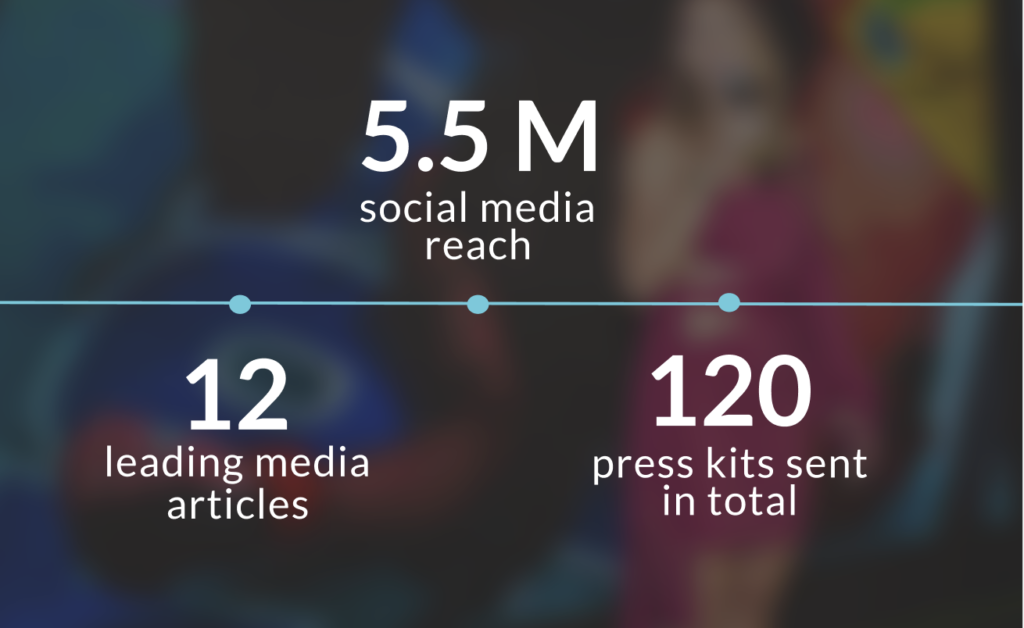
These results highlight the role of earned media as a natural extension of experience.
Rather than relying solely on paid visibility, the activation was designed to create content organically — through participants, influencers, and media coverage.
This approach has two advantages:
- It increases credibility.
- It ensures longevity beyond the initial launch moment.
In new markets, where brand recognition is still developing, this organic amplification is essential.
Beyond Distribution: A New Model for Perfume Brand Market Entry
What this case ultimately demonstrates is a broader shift in how distribution should be understood.
Traditionally, distribution ends when products reach the shelf.
At Weitnauer, it continues far beyond that point.
We operate at the intersection of logistics, marketing, and retail execution — ensuring that brands are not only present, but positioned correctly from the start.
This includes:
- Building the right narrative for market entry
- Designing experiences that reflect brand identity
- Activating audiences through relevant partnerships
- Extending impact through media and content
The objective is simple: to reduce the gap between entering a market and performing within it.
Why Experiential Marketing Matters for Perfume Brands in 2026
Consumer expectations have evolved.
Visibility alone is no longer enough. Products need to be discovered, understood, and remembered — often within seconds.
At the same time, competition across categories continues to intensify, particularly in environments such as travel retail and premium domestic channels.
In this context, brands entering new markets face a critical challenge:
How to stand out immediately, without prior awareness.
The answer lies in integration.
Not treating distribution, marketing, and activation as separate functions — but as one coordinated system.
Conclusion
Launching a brand in a new market is not about speed. It is about precision.
It requires understanding not only where the product should be placed, but how it should be experienced.
The Brazil activation demonstrates how a structured, multi-layered approach can transform a launch from a logistical step into a strategic advantage.
Because in today’s environment, success is not defined by presence.
It is defined by impact.